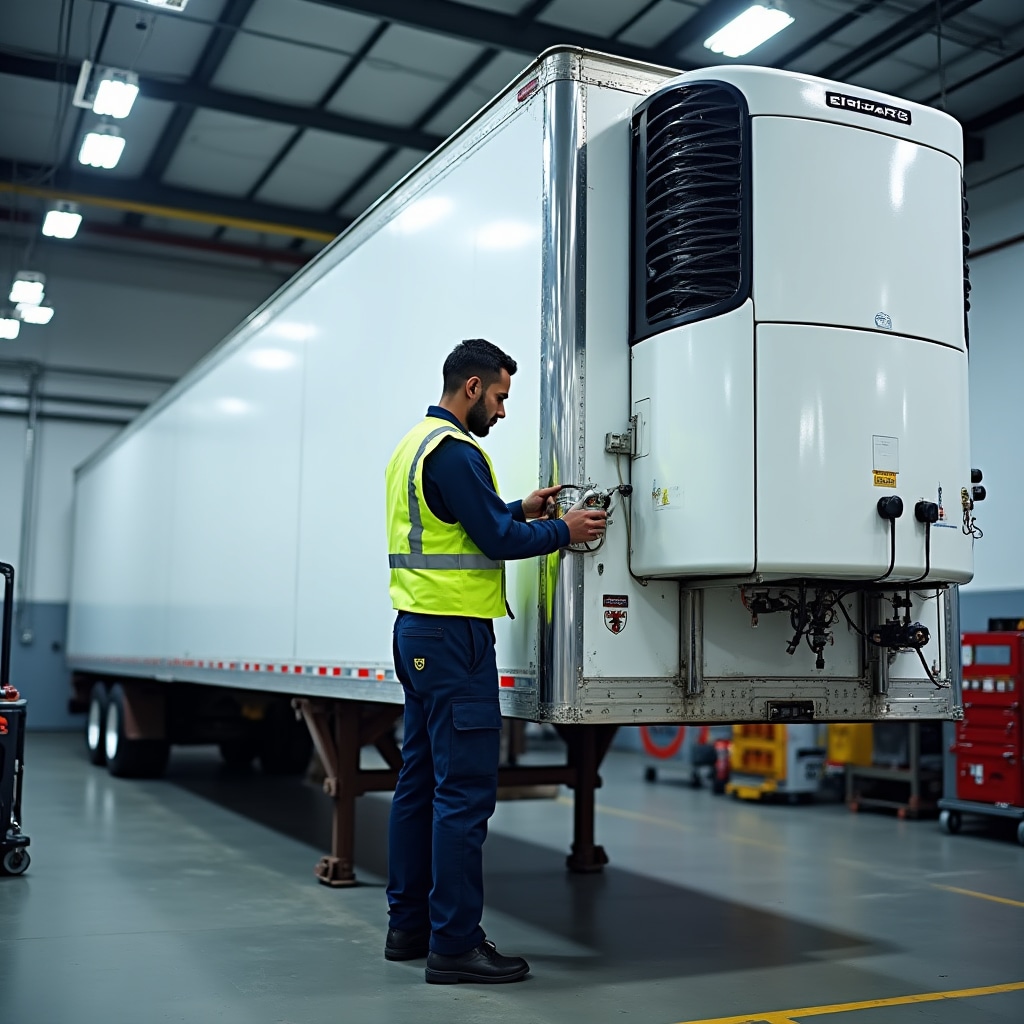
Refrigerated Transport Vehicle Types
Complete overview of refrigerated transport classifications, from small insulated vans for local delivery to large reefer trailers for long-haul transportation. Covers mechanical refrigeration units, eutectic plate systems, and cryogenic cooling methods with specifications for each category.
Vehicle Classifications
Cooling Systems
Capacity Planning
Temperature Monitoring Technologies
Detailed examination of monitoring systems including wireless sensor networks, data loggers, GPS-enabled tracking devices, and cloud-based platforms. Explains sensor placement, calibration requirements, data transmission methods, and integration with fleet management systems.
Sensor Types
Data Logging
Real-Time Tracking
Winter Operations and Cold Weather Challenges
Comprehensive guide to maintaining cold chain integrity during Canadian winters. Addresses equipment winterization, frozen product protection, extreme cold operational procedures, and the unique challenge of preventing freezing while maintaining refrigeration for chilled products.
Winter Equipment
Freeze Protection
Cold Weather Protocols
Summer Heat and High Temperature Operations
Information about managing cold chain operations during hot weather. Covers increased refrigeration capacity requirements, heat load calculations, pre-cooling procedures, and strategies for maintaining temperatures when ambient conditions exceed normal design parameters.
Heat Management
Capacity Planning
Pre-Cooling Methods
Compliance Documentation Requirements
Complete guide to documentation needed for cold chain operations. Explains temperature logs, chain of custody records, equipment maintenance documentation, and compliance certificates. Includes information about record retention requirements and audit preparation.
Required Records
Log Management
Audit Readiness
Health Canada Food Transportation Standards
Detailed breakdown of federal regulations governing food transportation. Covers temperature requirements for different product categories, equipment specifications, sanitation standards, and the Safe Food for Canadians Regulations as they apply to cold chain operations.
Federal Standards
Temperature Rules
Compliance Requirements
Long-Distance Transportation Across Canada
Guide to managing cold chain integrity over extended distances. Addresses route planning, equipment redundancy, emergency procedures, service infrastructure availability, and the specific challenges of maintaining temperatures during multi-day transits across remote regions.
Route Planning
Emergency Protocols
Remote Operations
Loading and Unloading Best Practices
Comprehensive information about proper cargo handling procedures. Covers pre-cooling requirements, loading patterns for air circulation, door-open time management, product stacking methods, and procedures for mixed-temperature loads requiring different zones within a single vehicle.
Loading Procedures
Air Circulation
Multi-Temp Loads
Equipment Maintenance and Reliability
Detailed guide to maintaining refrigeration equipment reliability. Covers preventive maintenance schedules, common failure modes, troubleshooting procedures, spare parts inventory, and the importance of regular servicing to prevent breakdowns during critical shipments.
Maintenance Schedules
Troubleshooting
Reliability Planning
Emergency Response and Contingency Planning
Information about preparing for and responding to cold chain failures. Covers equipment breakdown procedures, alternative transportation arrangements, product salvage decisions, notification requirements, and documentation needed when temperature excursions occur.
Emergency Procedures
Backup Plans
Incident Response
Cold Storage Facility Integration
Guide to coordination between transportation and storage facilities. Explains receiving procedures, temperature verification, transfer protocols, and the importance of maintaining cold chain continuity during handoffs between different logistics providers and facility operators.
Facility Coordination
Transfer Procedures
Chain Continuity
Perishable Product Categories and Requirements
Comprehensive overview of different perishable product types and their specific temperature control needs. Covers fresh produce, dairy, meat, seafood, pharmaceuticals, and other temperature-sensitive items with their unique handling and transportation requirements.
Product Categories
Temperature Ranges
Special Handling